
How to Choose the Ideal Size Garbage Skip for Your Next Project
Choosing the correct skip size is not just a matter of convenience — it affects cost, efficiency, safety, space management and environmental responsibility. Whether you're clearing a garden, renovating a home, removing commercial waste, or planning a large construction job, knowing which container size suits your needs will save you time and unnecessary expenses. Many people underestimate the volume of waste they’ll generate, and end up with overflowing units or the need to hire a second one. Others rent overly large containers, paying more than required. In both scenarios, informed decision-making ensures you handle materials responsibly and economically.
In this guide, the term garbage skips will be used thoughtfully and sparingly, complementing a well-rounded knowledge..
Understanding Skip Sizes and Capacity
The first step in making the right decision is understanding how capacity is measured. Skip sizes are typically expressed in cubic yards, with common domestic units ranging from 2–8 yards and commercial units extending to 12–16 yards. A 2-yard unit might suit a light garden tidy-up, whereas a 16-yard one is more appropriate for construction site clearance. Knowing volume helps you estimate how much material can realistically fit without risking overflow or overloading.
One advantage professional providers offer is clarity on volume versus real-world material. Bricks and rubble take far more space than old furniture and timber, for example. Weight limits also matter — plasterboard, concrete or soil may be restricted depending on regulation, contamination risks, and safe weight distribution. Proper assessment ensures you don’t exceed legal load limits, and keeps the work area compliant for everyone involved.
Local disposal legislation plays a role in garbage skip selection too. Some locations require specific sorting procedures for timber, metals, electronics and green waste. When you pick wisely and follow regulation, environmental impact is reduced and recyclable material avoids landfill. For many businesses, sustainable disposal is a key priority: proper sizing encourages responsible recycling and controlled handling of reusable resources.
Matching Skip Size to Job Type
The second factor to consider is waste type. Different projects create different volumes of material, and anticipating this early prevents delays during active site work. Home improvement tends to generate mixed materials — cardboard, timber, plasterboard, old cabinets and flooring. Office relocations involve bulkier items like furniture, shelving, and old electronics. Construction sites accumulate heavy aggregates requiring structured waste handling. Green waste tends to be lighter but bulkier, demanding more space and careful layering.
For small tasks like bathroom updates or minor garden clean-ups, micro-sized units are ideal. These handle moderate load at an affordable cost and fit neatly onto driveways or roadside positions where space is limited. Larger renovations call for mid-sized units capable of handling dense rubble and broken tile. Major strip-outs or full extensions demand maximum capacity. The more you predict in advance, the smoother your work and the fewer interruptions to workflow.
Professional planning also ensures safe load distribution. Overfilling creates hazards that can lead to penalties, transport disruption or return-to-empty charges. Underfilling wastes money and slows progress. Estimating correctly is the most economical path — it protects budgets while supporting cleaner, well-organised work environments.
Waste Types, Restrictions and Environmental Responsibility
Understanding disposal rules is essential. Not everything can go into a general container, and mixing hazardous materials is often prohibited. Waste classification includes green matter, soil, concrete, brick, timber, cardboard, metal, household debris and commercial packaging. Segregation prevents contamination and supports recycling, especially when dealing with metals and timber.
Some materials require licensed handling: solvents, oils, paint tins, asbestos-containing products, batteries, chemicals and some electrical items. If you anticipate these, you’ll need guidance on approved transfer stations or alternative treatment. Tackling this early prevents delays and ensures compliance with environmental regulation. Responsible handling benefits your local community, protects wildlife and reduces landfill dependency — important for households and industry alike.
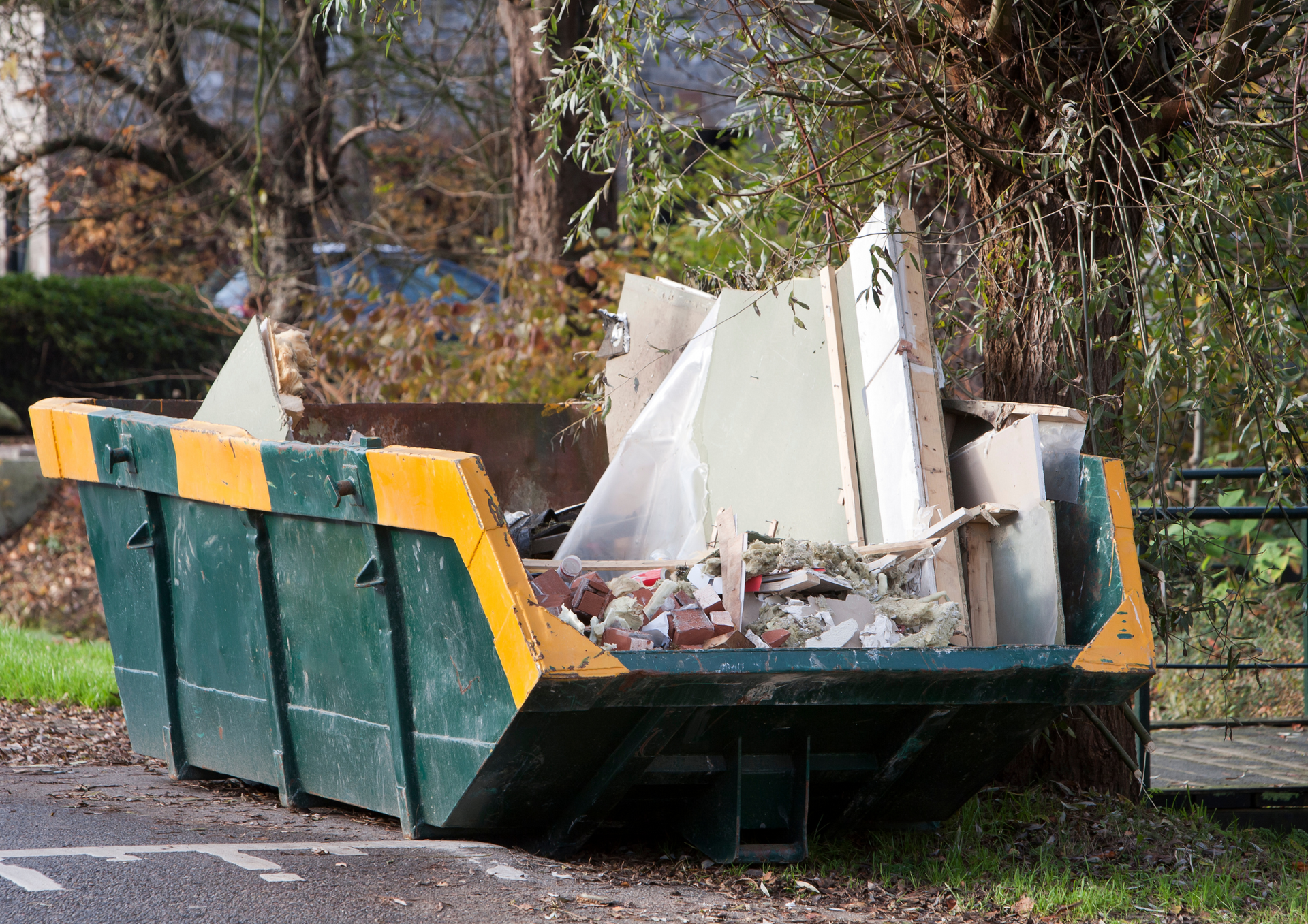
Garbage skips illustrating an example of environmentally conscious solutions used across domestic and commercial sectors. One unit cannot solve every scenario, so proper classification allows you to choose ethically. Regulated disposal not only supports the environment — it also promotes safe working conditions and robust site management.
Practical On-Site Considerations
Selecting a container is more than determining size. You must consider placement, access and transport requirements. If a driveway is narrow or a street permit is required, planning prevents disruption. A major factor often overlooked is vehicle access. Larger units require clearance for collection and delivery, so obstructions such as trees, cables or tight corners may restrict suitability.
Driveway protection is also worthwhile. Boards or secure padding prevent surface damage when loading heavy materials. Good skip placement streamlines workflow because disposal points remain close to work areas, reducing manual handling time. Thoughtful layout reduces fatigue, increases productivity and shortens project duration.
In this paragraph, we reference garbage skip rental, demonstrating how homeowners and businesses coordinate container delivery for flexible time periods. Some projects need only a few days, while others run for weeks. Scheduling collection intervals creates a cleaner site and avoids large stockpiles. Hiring multiple small units, instead of one large one, may speed clearance when waste accumulates gradually.
For lightweight household waste, a mini skip bag is ideal for limited space homes, driveways and quick weekend clear-outs. Unlike rigid containers, these fold flat when not in use and expand to suit debris volume, making them useful for homeowners and rental properties.
Commercial clearances often involve structured skip waste disposal, where segregated materials must be managed under workplace safety standards. This is common for office refurbishments, warehouse reorganisations and shop re-fits.
Homeowners conducting garden work or domestic renovations frequently search for garbage skip near me, a phrase that reflects local convenience and quick access to disposal solutions.
Large-scale building sites rely heavily on the skip bin truck, a vehicle designed for lifting, transporting and exchanging filled containers throughout the day. This keeps construction running without delays and ensures waste streams move efficiently.
Selecting the right garbage skip size may feel overwhelming, but it becomes simple when broken down into key considerations. Evaluate job scale, expected material volume, access restrictions and disposal type. It’s important to consider sustainability and legal requirements, especially when dealing with materials requiring specialist handling. A correctly chosen container saves time, reduces cost and enhances workflow — whether you’re clearing an office, renovating a kitchen, managing landscaping waste or overseeing commercial construction.
When you take a thoughtful approach, disposal becomes easier, safer and more efficient. You make informed decisions, prevent overflow and keep your environment tidy. The right choice keeps work running smoothly, whether you’re a homeowner, landlord, business owner or contractor.
Skip Hire Stevenage offers reliable support, transparent guidance and professional waste management tailored to both households and industry. We help customers assess capacity accurately, select responsible disposal options and avoid overspending. Our approach is friendly, practical and committed to environmental care, ensuring safe and compliant operations for every project. Whether you’re planning a small renovation or managing a multi-phase clearance, we simplify the process from delivery to collection — giving you confidence at every stage.
Just out on X: Need a
garbage skip? Here’s how to choose the right size!
You might also like