
What You Can and Can’t Put in a Skip: Essential Guide for Skip
Hiring a skip is one of the most efficient ways to handle waste during property renovations, building projects, clear-outs, and landscaping. Whether you're a homeowner refreshing your space, a business relocating offices, or a construction company managing heavy debris, understanding what can and can’t go in a skip hire is critical.
It’s not just about getting rid of waste — it’s about doing it responsibly and legally. Some items are perfectly acceptable, while others are strictly prohibited due to safety, environmental, or regulatory reasons. Misusing a skip can result in fines, additional charges, or delays, so knowing the rules is a must.
Below, we’ve outlined everything you need to know, tailored for a wide range of users — from tradespeople to event organisers.
Common Items You Can Put in a Skip
Most general, non-hazardous waste is accepted in skips. These include materials from household, garden, and construction work — making skip hire a versatile solution for various projects.
Here are the typical items allowed in a skip:
- General household waste: This includes old furniture, wood, clothing, cardboard, non-electrical fittings, and toys. Ideal for spring cleans or house moves.
- Garden waste: Branches, soil, leaves, hedge trimmings, and grass clippings can all be placed in a skip. Whether you’re a landscaper clearing a garden or a homeowner redesigning your outdoor space, a skip is ideal.
- Building and renovation waste: Items like bricks, rubble, tiles, concrete, and plasterboard (in limited quantities) are generally accepted. Construction firms and property developers often dispose of these materials via skips.
- Non-electrical fixtures: Kitchen cupboards, worktops, shelving, doors, and floorboards are commonly disposed of during renovations.
For mid-sized renovation projects, such as kitchen refits or bathroom overhauls, an 8 yard skip is often the perfect choice. It holds a significant volume without taking up excessive space on your site or driveway. It’s especially popular for both commercial and domestic jobs across Stevenage.
Always remember to fill your skip evenly and within the top edge — overfilling can pose a safety risk and may lead to extra charges or a refusal to collect.
Items You Cannot Put in a Skip
Despite their flexibility, skips are not designed for every type of waste. Several items are legally restricted or require specialist disposal due to health, fire, or environmental risks. Including them in a skip could lead to penalties or disposal refusals.
Items you cannot place in a skip include:
- Asbestos: Highly hazardous and regulated. Requires licensed contractors for safe removal and disposal.
- Electrical appliances (WEEE items): Fridges, freezers, TVs, monitors, and other electrical items must be disposed of through designated recycling facilities.
- Paints, solvents, and chemicals: These are flammable and toxic. Partially used tins or containers must never go into a
general waste skip.
- Batteries and gas cylinders: These pose serious safety hazards, especially under compression or heat during transport.
- Tyres and medical waste: Tyres require specialist processing, while medical waste is strictly controlled under healthcare regulations.
If you're undertaking a small domestic project, such as clearing a shed or minor refurbishments, a 4 yard skip might be sufficient. These are compact and suitable for smaller loads, but because people sometimes wrongly assume any household item is allowed, it's important to double-check your waste before loading.
Your skip provider can give precise guidance on borderline items. If you're ever in doubt, ask before disposal — it’s far better to confirm than risk fines or collection delays.
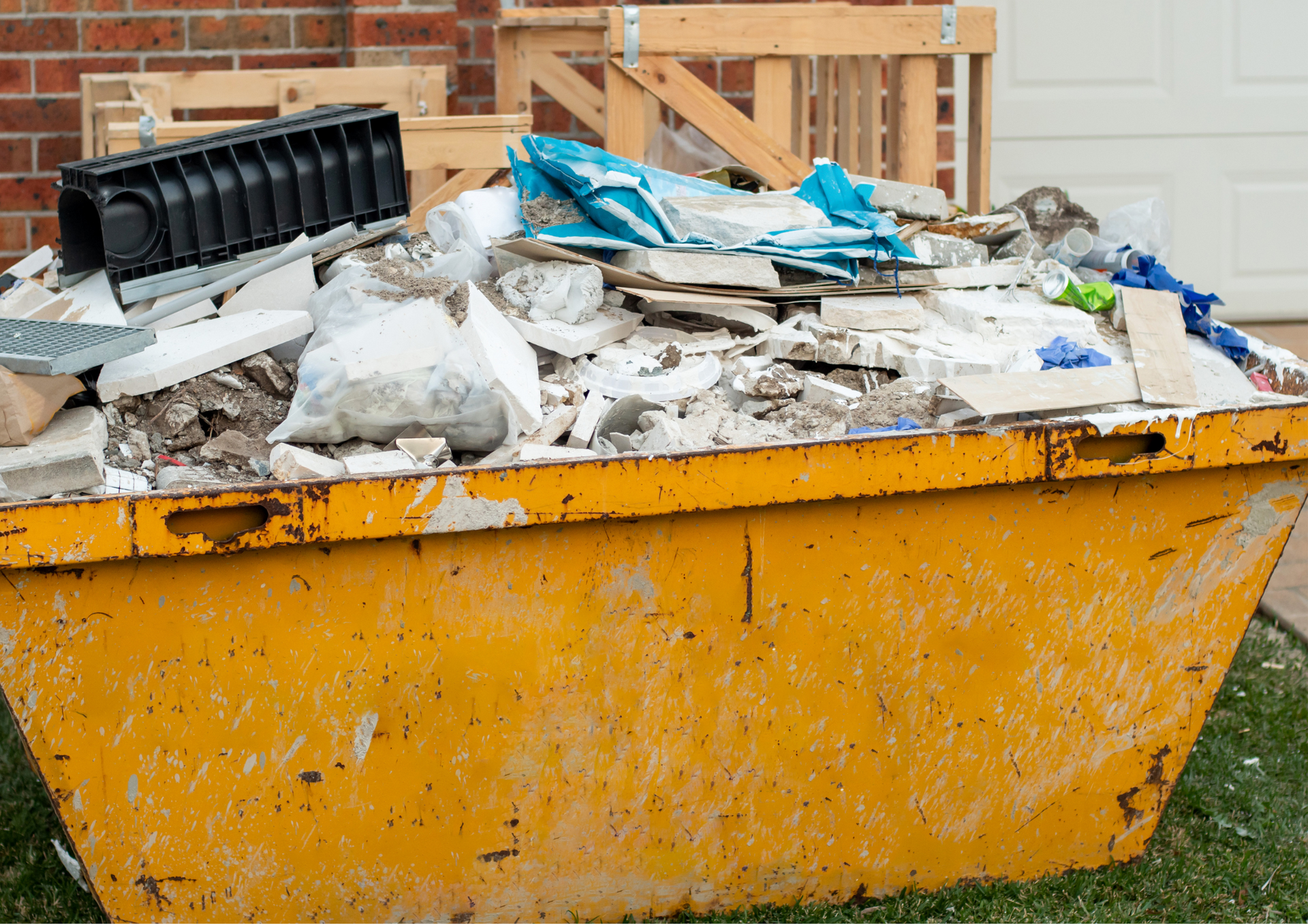
Grey Area Items: What You Should Check First
Some items don’t fall neatly into “yes” or “no” categories. Known as "grey area" waste, these materials might be accepted in skips under certain conditions, quantities, or with advance notice to your provider.
Here are some examples:
- Plasterboard: Although small amounts are typically allowed, larger volumes may require segregation or special bags to comply with landfill restrictions.
- Mattresses: Some skip firms accept them for an additional fee, while others don’t permit them at all due to recycling difficulties.
- Upholstered furniture: Sofas and chairs containing certain fire retardant materials might be restricted under recent waste regulations.
- Carpet and underlay: Often accepted, but large quantities should be checked first, especially from commercial premises.
- Soil with contaminants: Soil mixed with chemicals or oil cannot be disposed of in a general skip.
For larger home clear-outs, loft conversions, or bulky garden waste, a 6 yard skip can offer the right balance — roomy enough for bigger jobs without taking up too much space. It's commonly chosen in Stevenage for projects that may include grey area materials, where clarification is especially important.
Responsible Skip Hire: Avoiding Fines and Protecting the Environment
Proper use of skips isn’t just about following rules — it’s about contributing to a cleaner, safer environment. Irresponsible disposal can lead to fly-tipping issues, increased landfill waste, and unnecessary environmental harm.
Here’s how to hire responsibly:
- Separate your waste where possible. If you're generating multiple types of waste (e.g. garden and renovation materials), use waste bags or containers inside the skip to keep things sorted.
- Never overfill a skip. This creates safety risks during transport and can lead to collection refusal. Load waste evenly and keep it within the skip’s top edge.
- Cover your skip if it's on-site long term. Rain-soaked materials can add unnecessary weight, while open skips may attract illegal dumping from others.
- Understand your duty of care. Even if you're hiring a skip for a client or job site, you’re still responsible for what goes in it. Supervise use if needed.
For large-scale commercial work or event clean-ups where waste may be mixed and unpredictable, a 12 yard skip offers the highest capacity. However, mixed content also means greater risk of restricted items ending up in the load — making responsible management even more essential.
By following skip guidelines and choosing a reputable provider, you’re playing a vital role in reducing landfill, supporting recycling, and keeping your local area safe and compliant.
Hiring a skip is one of the most convenient ways to manage waste — but it comes with clear responsibilities. Knowing what can and can’t go in a
skip hire ensures your project runs smoothly, avoids fines, and protects the environment.
Always dispose of waste responsibly: general household items, garden debris, and construction materials are usually fine. But steer clear of hazardous waste, electricals, chemicals, and restricted materials without checking first. And remember — when in doubt, ask your skip provider. A quick phone call could save you money, time, and trouble.
At
Skip Hire Stevenage, we understand that every project is different. Whether you’re clearing out a property, renovating a kitchen, landscaping a garden, or managing a large commercial site, we’ve got the right skip for you — from 4 yard for tight spaces to 12 yard for major jobs.
We serve homeowners, construction companies, landscapers, event managers, and local businesses with:
- Expert advice on permitted and restricted waste
- Flexible delivery and collection times
- Transparent pricing with no hidden fees
- Fully licensed and environmentally responsible disposal
Don’t miss it on X:
Skip hire rules – what you can and cannot put in a skip!
You might also like