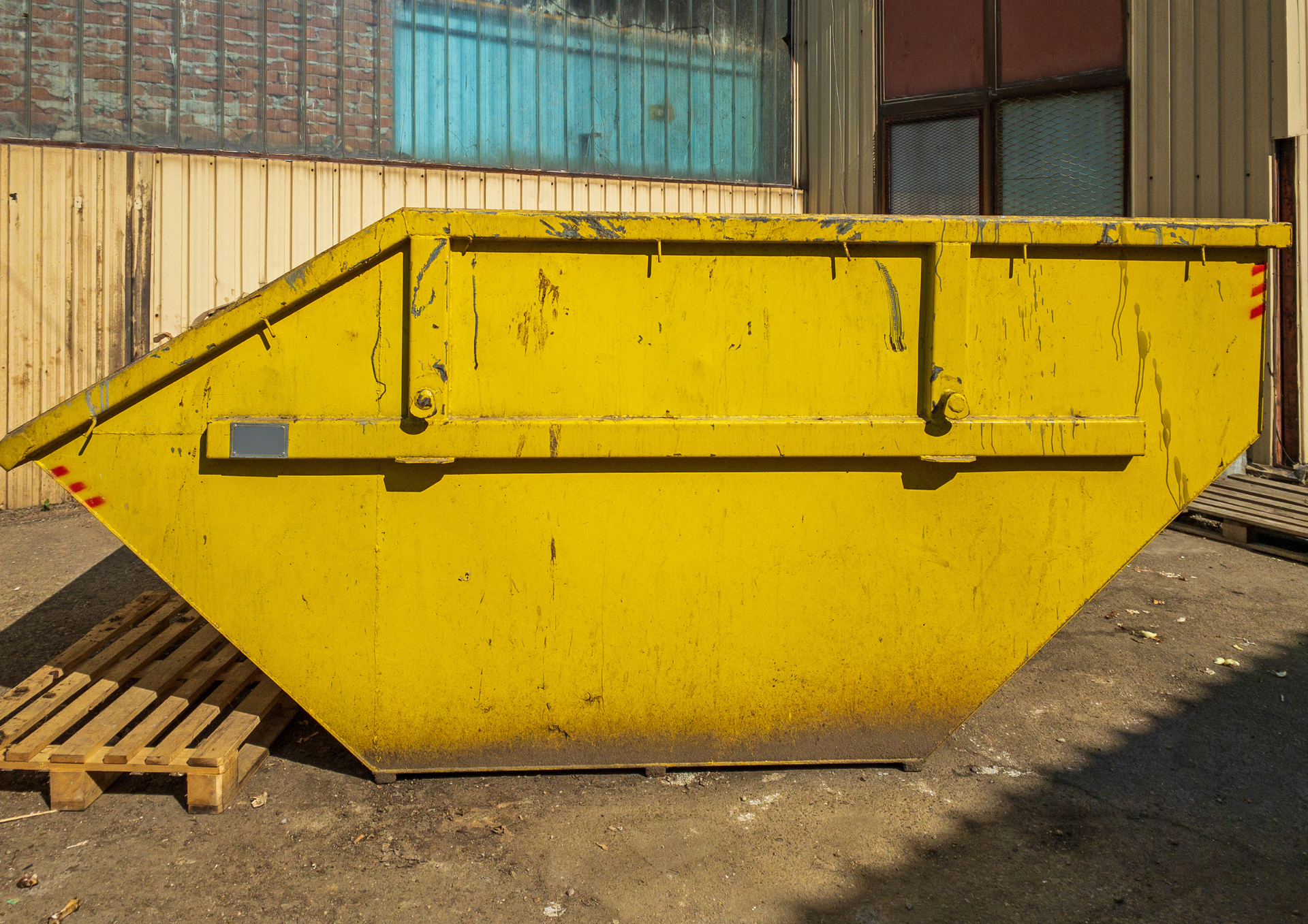

Choosing Same Day Skip Hire for Unexpected Waste Removal Projects
Unexpected waste can appear at almost any stage of a property project. A renovation may uncover more unwanted materials than anticipated, a garden clearance can produce a larger volume of debris than expected, or a commercial property may suddenly need to be cleared before new work can begin. When available space becomes limited, arranging same day skip hire can provide a practical way to regain control and keep the project moving.
Homeowners can encounter this situation during DIY projects, house clearances and garden improvements. Landlords may need to remove unwanted contents between tenancies, while surveyors and local authorities can face waste management requirements during maintenance or improvement work. Commercial properties can experience similar challenges when refurbishments, office clearances or building projects generate unexpected materials.
Quick arrangements can be particularly valuable when accumulated waste begins to obstruct access or interfere with contractors. Rather than allowing rubbish to remain around the property until a previously planned collection becomes available, customers can consider a faster solution suited to the volume and type of material involved.
Although prompt service can be useful, speed should not replace careful planning. The correct container size, suitable placement, acceptable materials and collection arrangements still need to be considered. Taking a few practical steps before booking can make urgent waste removal considerably easier to manage, whether the project is taking place in Stevenage or elsewhere in the UK.
Situations Where Fast Waste Removal Can Be Particularly Useful
Unexpected waste does not necessarily mean a project has been poorly planned. Renovations, property clearances and maintenance work can reveal hidden materials or produce greater quantities than originally estimated. Customers looking for same day skip hire near me may therefore be responding to a genuine change in circumstances rather than simply leaving arrangements until the last minute.
Unexpected Home Clearances
- Moving house, preparing a property for sale or clearing accumulated belongings can reveal considerably more unwanted material than anticipated.
- Garages, lofts, sheds and spare rooms often contain bulky items that quickly occupy available space once sorting begins.
- Prompt removal can prevent bags, boxes and unwanted furniture from taking over driveways or working areas.
- Assessing the complete property before booking can help determine how much capacity will realistically be required.
Renovation and DIY Work
- Removing old kitchens, bathrooms, flooring and internal fittings can generate substantial quantities of material within a short period.
- Additional waste may appear when contractors expose previously hidden sections of a property.
- Having an appropriate container available helps tradespeople maintain clear working areas.
- Planning where waste will be placed can reduce repeated handling as work progresses.
Garden and Outdoor Projects
- Hedge cutting, landscaping, fencing replacement and garden clearance can create bulky material surprisingly quickly.
- Old sheds, broken garden furniture and removed landscaping features can significantly increase the volume requiring disposal.
- Keeping garden paths and access areas clear makes ongoing work easier to organise.
- The type of material being removed should be considered before arranging the appropriate disposal solution.
Commercial and Managed Properties
- Office refurbishments, retail alterations and property maintenance programmes can generate waste unexpectedly.
- Landlords may need to clear abandoned belongings or damaged fixtures before other work can begin.
- Local authorities and property managers may have projects where maintaining access is particularly important.
- Coordinating removal with contractors can help prevent accumulated material from affecting the wider work programme.
Quick action is most effective when it is combined with a realistic assessment of the project. Identifying the likely volume, available placement area and materials involved before making an enquiry can help customers select an appropriate solution without introducing additional complications.
Planning an Urgent Booking Without Creating Further Problems
Speed is useful when waste has already started accumulating, but making a rushed decision without considering the practical requirements can create additional difficulties. Even urgent projects benefit from a brief assessment before delivery is arranged.
One of the first considerations should be the amount of waste requiring removal. Customers sometimes underestimate volume because materials occupy less space while they remain fitted, stacked or stored. Kitchen units, wardrobes, shelving, timber and garden materials can become considerably bulkier once dismantled and moved into a disposal area.
Container size should therefore reflect the complete project rather than only the rubbish currently visible. If renovation work is continuing, customers should consider what additional materials are likely to be generated before collection. Choosing adequate capacity at the outset can help prevent the container from filling while significant work remains unfinished.
The position of the container is equally important. Driveways and other suitable private areas can provide convenient placement where sufficient access is available. Customers should check for gates, parked vehicles, low branches and other obstacles that could affect delivery. Where placement away from private property is being considered, any relevant local requirements should be investigated before making arrangements.
Customers may also consider next day skip hire when immediate delivery is unnecessary or when a little additional preparation time would make the project easier to organise. Waiting until the following day can provide an opportunity to estimate waste more accurately, clear the proposed delivery area and coordinate the arrival with contractors.
The type of waste should be discussed as well. Different projects produce different materials, and not everything should automatically be placed together. Describing the work clearly when making an enquiry allows the provider to explain any relevant restrictions and helps avoid problems once loading has begun.
Customers should also think about how long the container will realistically be required. An urgent delivery does not necessarily mean the entire project will be completed immediately. A renovation might continue for several days, while a commercial clearance could progress in stages.
Clear communication is particularly valuable when time is limited. Providing accurate information about the property, access, expected materials and project timetable gives the provider a better understanding of what is needed. This allows urgency to be balanced with practical planning rather than allowing speed alone to determine the arrangement.
For properties in Stevenage, local road layouts, residential access and the characteristics of individual sites can all affect delivery. The same principle applies elsewhere: understanding the specific location before arrival contributes to a smoother and more efficient process.
Choosing the Appropriate Container for Unexpected Waste
Choosing the right capacity is particularly important when arranging urgent waste removal. An appropriately sized same day skip provides enough room for the expected material while remaining practical for the available space at the property.
Small Household Jobs
- Decluttering individual rooms, clearing smaller sheds and completing modest DIY work may only produce limited quantities.
- Compact options can be easier to accommodate where driveway or yard space is restricted.
- Customers should still account for bulky objects that can use available capacity quickly.
- Reviewing all items before booking can improve the accuracy of the initial estimate.
Renovation Projects
- Kitchen and bathroom projects can produce cabinets, fittings, flooring and other building materials within a short period.
- Larger renovations may continue generating waste after the initial clearance stage.
- Estimating what remains to be removed helps customers choose capacity for the complete project.
- An organised disposal area can make it easier for tradespeople to keep working spaces clear.
Garden Clearances
- Branches, shrubs, old fencing and dismantled garden structures can occupy substantial space.
- Cutting suitable materials into manageable sections can make loading more organised.
- Customers should consider whether additional landscaping work will generate further material.
- Access between the garden and the proposed container position should be considered before delivery.
Commercial Work
- Office and retail clearances may involve furniture, shelving, fittings, packaging and general unwanted contents.
- Commercial refurbishments can generate waste at different stages rather than all at once.
- Suitable capacity helps reduce disruption where normal activities continue around the project.
- Delivery and collection should be coordinated with contractors and property access requirements.
Larger Property Clearances
- Whole-house and larger commercial clearances can produce considerably more material than individual room projects.
- Estimating waste by room or work area can provide a more realistic overall picture.
- Bulky furniture and fixtures should be included when assessing capacity.
- Customers should consider whether further maintenance or renovation will produce additional waste before final collection.
Selecting capacity according to actual requirements makes urgent arrangements more effective. The aim should be to provide sufficient space for the work without automatically choosing the largest available option.
Keeping Unexpected Waste from Disrupting the Project
Waste management should support a project rather than become another problem to solve. Once an appropriate container has been arranged, organising how it will be used can help homeowners, contractors and property professionals maintain a more efficient working environment.
A designated loading area can reduce unnecessary movement around the site. Instead of leaving waste in several rooms or outdoor areas, materials can be moved systematically as each stage of work is completed. This approach is particularly useful during renovation projects where different trades may need access to the same spaces.
Customers should avoid waiting until pathways and working areas are already obstructed before dealing with accumulated material. Regularly moving suitable waste into the designated container can help maintain access and make it easier to see how much capacity remains.
For residential projects, consideration should also be given to neighbours and other people using the property. Sensible placement and organised loading can help reduce disruption, particularly where space is limited.
Commercial projects may require more structured coordination. Contractors, employees and visitors can all need access to the premises while refurbishment or clearance work continues. Planning how waste moves through the site can help keep entrances, parking areas and working routes available.
Using same day skip hire effectively also means thinking ahead to collection. Customers should have a realistic idea of when loading is likely to be completed and avoid leaving unnecessary materials around the container that could interfere with access when the collection vehicle arrives.
The same principles apply to landlords, surveyors and local authorities managing maintenance work. When several activities are taking place at the same property, coordinating waste removal with the wider schedule can prevent one stage of work from interfering with another.
Unexpected waste is easier to manage when decisions are made systematically. Identifying what needs removing, choosing suitable capacity, maintaining clear access and arranging collection at an appropriate stage can transform a potentially disruptive situation into a manageable part of the project.
Unexpected waste can arise during almost any residential or commercial project. A seemingly straightforward household clearance can reveal years of accumulated belongings, while renovation work may uncover old fittings and materials that were not visible during initial planning. Garden projects, commercial refurbishments and property maintenance can create similar challenges.
Responding quickly can prevent unwanted material from taking over valuable working space, but effective removal still requires sensible preparation. Estimating volume, considering the type of material, checking available access and selecting suitable capacity all contribute to a smoother arrangement.
Homeowners can benefit from planning how rubbish will move through the property as work progresses. Landlords and surveyors may need to coordinate disposal with contractors, while local authorities and commercial property managers can have additional access and scheduling considerations.
The most effective approach combines prompt action with practical decision-making. Customers do not need to predict every piece of waste before a project begins, but they can respond more efficiently when circumstances change by assessing what has been generated and what is still likely to appear.
For projects that can be completed within a short timeframe, 1 day skip hire can provide a practical option for managing waste without keeping a container on site longer than necessary. With suitable planning, unexpected waste does not have to bring a project to a halt, and a clear approach to capacity, placement, loading and collection can help keep residential and commercial properties organised from beginning to end.
Skip Hire Stevenage provides practical waste removal support for homeowners, landlords, surveyors, local authorities and those managing residential or commercial properties. We understand that projects do not always progress exactly as expected and that additional waste can sometimes require a prompt response.
Our approach focuses on straightforward communication and practical guidance. We take the time to understand the type of project, expected volume of material, available access and preferred timescale before helping customers consider an appropriate arrangement.
Whether the requirement results from an unexpected household clearance, renovation work, property maintenance or a commercial refurbishment, we aim to make same day skip hire straightforward to organise while maintaining dependable service.
By considering the individual circumstances of each project, we help customers select suitable capacity and plan delivery and collection around their requirements. Our aim is to make waste removal easier to manage so customers can concentrate on completing the wider project efficiently.
Check out our latest X update on choosing
same day skip hire for unexpected waste removal projects!
You might also like