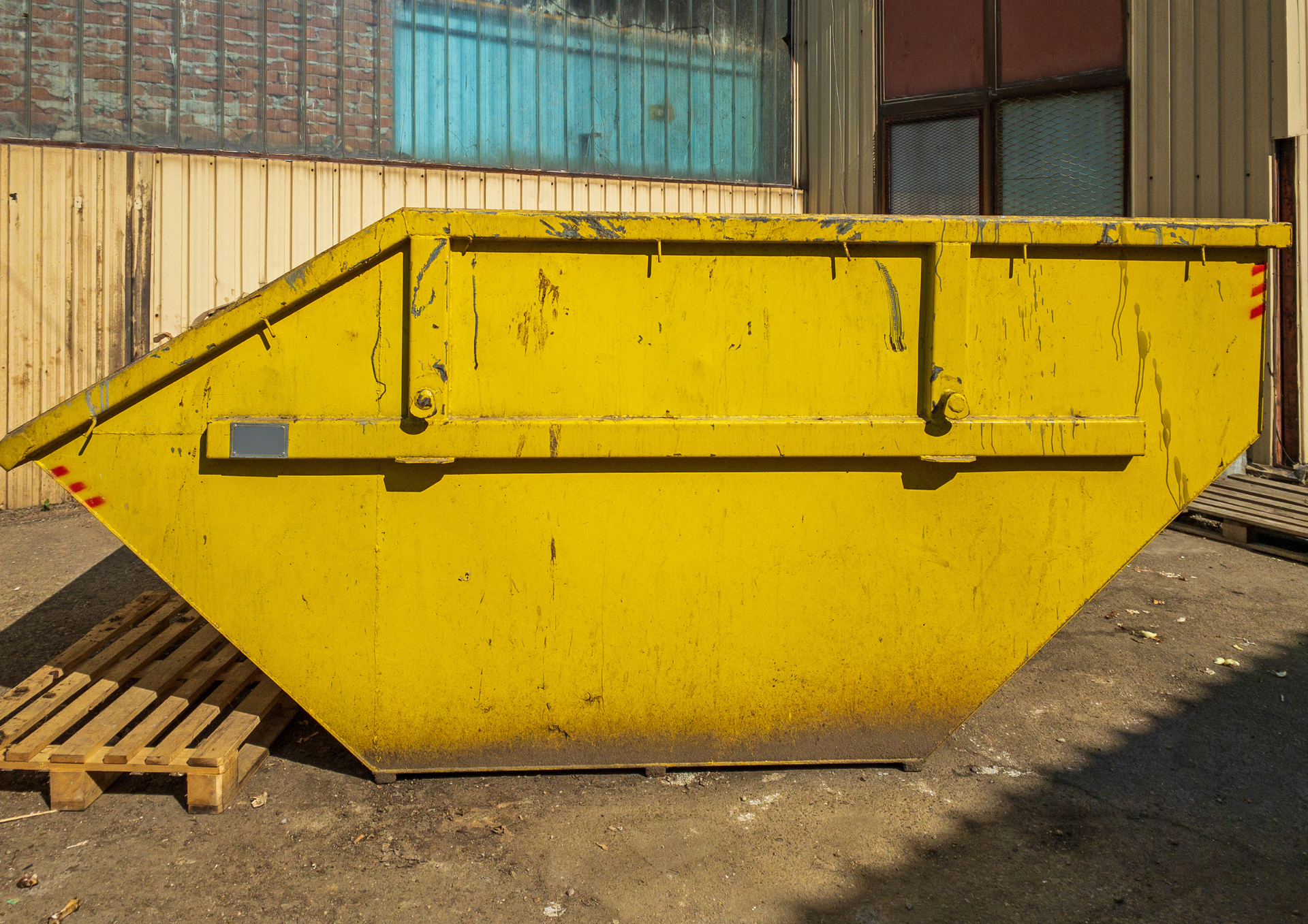

When Mini Skip Hire Is a Practical Choice for Home Improvement
Home improvement projects can produce surprising amounts of waste, even when the work itself appears relatively modest. Removing an old bathroom suite, replacing damaged flooring, clearing a spare room or refreshing an outdoor space can leave homeowners with materials that are difficult to manage through normal household waste collections. Choosing mini skip hire can provide a practical solution when the volume of unwanted material is manageable but still too large for ordinary bins.
Smaller containers can be particularly useful at properties where space is limited. Driveways, front gardens and other available areas may not have sufficient room for a larger container, especially in residential streets where access needs to remain clear. Choosing a proportionate waste solution can make the project easier to organise without occupying more space than necessary.
Careful planning remains important. Before arranging waste removal, it helps to consider the type of materials being generated, the approximate volume, available access and how long the work is likely to continue. Homeowners, landlords, surveyors and those responsible for residential or commercial properties can then choose an option suited to the actual scale of the job rather than automatically selecting the largest available container.
Home Improvement Jobs Suited to Smaller Skips
Not every renovation or clearance requires substantial waste capacity. Smaller home projects often produce concentrated amounts of unwanted material over a short period, making a compact container a convenient way to keep the property organised. Considering the nature of the work before booking helps determine whether small skip hire offers sufficient capacity.
Decorating and Room Refreshes
- Removing old wallpaper, damaged fixtures, packaging and unwanted household items can produce more rubbish than expected.
- A smaller container provides a central location for waste rather than allowing bags and loose materials to accumulate around the property.
- Keeping discarded materials together can make rooms and access routes easier to manage while decorating continues.
- Planning disposal before starting the work reduces the temptation to store unwanted items temporarily in garages, hallways or gardens.
Bathroom and Kitchen Updates
- Minor bathroom improvements can create waste from old cabinets, fittings, tiles and packaging.
- Small kitchen updates may involve removing cupboard doors, worktop sections or damaged fixtures without undertaking a complete refurbishment.
- Estimating the likely amount of material beforehand helps determine whether a compact container will provide enough capacity.
- Heavier materials need to be considered carefully because available space alone does not determine how a container should be loaded.
Garden Improvements
- Pruning, clearing planting areas and removing old garden features can create bulky material that quickly takes up outdoor space.
- Keeping garden waste contained helps maintain clear paths and working areas.
- Smaller containers can be useful when improving one section of a garden rather than carrying out a complete landscaping project.
- Customers should check which types of material can be accepted before beginning work so disposal can be planned correctly.
General Household Clearances
- Cupboards, spare rooms, loft areas and garages often contain unwanted belongings accumulated over several years.
- Sorting items before disposal can prevent reusable belongings from being discarded unnecessarily.
- A compact container can provide useful capacity for a focused clearance without taking up excessive space.
- Completing one area at a time can make it easier to estimate waste and prevent the project from becoming unnecessarily complicated.
The suitability of any container ultimately depends on the actual volume and type of material being removed. Taking a few minutes to assess the project before booking can prevent unnecessary changes once work is underway.
Why Available Space Matters When Planning Waste Removal
The amount of waste being generated is only one consideration when choosing a container. The physical characteristics of the property can be equally important, particularly in residential areas where driveways may be short, entrances narrow and neighbouring properties close together.
People searching for mini skip hire near me may be dealing with exactly these practical limitations. A locally appropriate solution should consider not only capacity but also how delivery will take place, where the container can be positioned and whether vehicles can reach the proposed location without creating unnecessary difficulties.
Before arranging delivery, homeowners should look carefully at the intended placement area. Gates, parked vehicles, walls, low branches and other obstacles can affect access. The delivery vehicle itself requires adequate space to manoeuvre, so the dimensions of the container are not the only measurements that matter.
A driveway can often provide a convenient location because waste remains close to the property and can be loaded as work progresses. However, the surface and available width should be considered beforehand. If private land is unavailable and placement on a public road is being considered, customers should establish what local requirements may apply before arranging delivery.
This is particularly relevant in established residential areas of Stevenage and similar towns, where property layouts and street conditions can vary considerably. Some homes have generous driveways, while others have limited frontage or shared access. Discussing these details during the booking process allows potential difficulties to be identified before the delivery vehicle arrives.
Placement should also take account of how people will use the property during the project. Positioning a container directly in the most convenient loading location might seem sensible, but it should not unnecessarily obstruct everyday access. Residents may still need to use entrances, reach vehicles or move tools and materials around the site.
The expected duration of the work is another useful consideration. A weekend clearance has different requirements from a renovation taking place over several weeks. Thinking about the project schedule helps determine when delivery should occur and when removal is likely to be required.
Good planning therefore involves more than choosing capacity. Access, placement, working space and project duration should all be considered together to create an arrangement that is practical for the property.
Choosing Capacity According to the Scale of the Job
Choosing the right capacity helps prevent paying for considerably more space than required while also reducing the risk of running out of room before the project is complete. A mini skip hire can work particularly well for focused improvement jobs where the expected waste volume has been considered in advance.
Assess the Project Before Starting
- Walk through the area being renovated or cleared and identify what is likely to be removed.
- Consider whether dismantling furniture or fittings will change the amount of space the materials occupy.
- Separate belongings that can be reused, donated or recycled before estimating disposal requirements.
- Allow a reasonable margin for materials that may only become apparent once work begins.
Consider the Type of Material
- Lightweight bulky items can occupy capacity quickly even when their overall weight is relatively low.
- Dense renovation materials require careful consideration because weight can become important before all available volume has been used.
- Different materials may be subject to particular disposal requirements, so customers should explain what they expect to remove when making an enquiry.
- Mixing unnecessary items into project waste can use valuable capacity that could otherwise be available for renovation debris.
Think About How the Work Will Progress
- A one-room clearance may generate most of its waste within a single day.
- Decorating or renovation work can produce material gradually as different stages are completed.
- Understanding when waste will arise helps customers decide when delivery would be most useful.
- Arranging the container too early can occupy valuable space, while arranging it too late may allow rubbish to accumulate.
Avoid Overfilling
- Waste should remain within the permitted loading level.
- Materials should be placed carefully rather than piled unnecessarily above the container.
- Breaking suitable bulky items down can make more effective use of the available capacity.
- If the project is clearly producing substantially more waste than expected, customers should seek advice rather than continuing to load an unsuitable container.
Making a realistic assessment at the beginning of the project can therefore save considerable inconvenience. The objective is not simply to choose the smallest possible option, but to select capacity that genuinely matches the work being undertaken.
Understanding Compact Skip Sizes Before Booking
Customers sometimes focus on the external dimensions of a container without considering what that capacity means for their particular project. When researching 2 yard skip hire, for example, it is useful to think about the type of waste being generated rather than relying solely on a general description of the size.
A compact option can be appropriate for smaller household tasks where waste is limited and reasonably predictable. Clearing a small room, removing unwanted household items or completing minor decorating work may not justify a much larger container. Using capacity that reflects the scale of the project can also be helpful where available placement space is restricted.
However, small containers are not automatically suitable for every small property. A compact home renovation can still generate a significant amount of material. Removing an entire kitchen, undertaking structural alterations or completing a substantial garden clearance may require considerably more capacity than initially expected.
This is why estimating waste before booking is important. Homeowners can begin by identifying the major items that will be removed and considering how much space they will occupy once dismantled. Large flat materials, old fittings, timber and bulky household items can fill available capacity differently, so visual estimates are not always straightforward.
Landlords preparing a property between occupancies may face similar decisions. A small amount of damaged furniture and general household material might suit a compact solution, whereas a complete property clearance could require a different approach. Surveyors and property professionals coordinating works can likewise benefit from considering the planned scope before arranging disposal.
Commercial properties may also occasionally require smaller containers. Minor office refurbishments, maintenance tasks or targeted clearances can produce limited waste volumes where a large container would be unnecessary. The same principles apply: consider the materials, available space, access and duration before deciding.
Customers should also think about what will happen if the project changes. Discovering additional damaged materials or extending renovation work into another room can significantly increase the amount requiring disposal. Leaving some flexibility in the original estimate can help prevent capacity becoming inadequate midway through the job.
The most suitable choice is therefore based on the complete circumstances rather than a size label alone. Understanding what the project involves allows customers to make a more informed decision and organise waste removal around the way the work will actually progress.
Skip Hire Stevenage provides practical information and waste removal options for homeowners, landlords, surveyors, local authorities and those responsible for residential or commercial properties in Stevenage and the surrounding area. We understand that smaller improvement projects can have very different requirements from major renovations, so our approach focuses on helping customers consider capacity, access, placement and project duration before making arrangements.
Whether you are refreshing a room, clearing household belongings, completing garden work or undertaking minor property improvements, our website can help you explore suitable options without making the process unnecessarily complicated. Clear information allows customers to understand what they may need before arranging delivery.
Our focus is on straightforward communication and practical planning. By considering the type of waste and the characteristics of the property, customers can choose a solution suited to their particular project. This approach helps make mini skip hire easier to organise while supporting efficient waste management from delivery through to collection.
Check out our latest X update on when
mini skip hire is a practical choice for home improvement projects!
You might also like