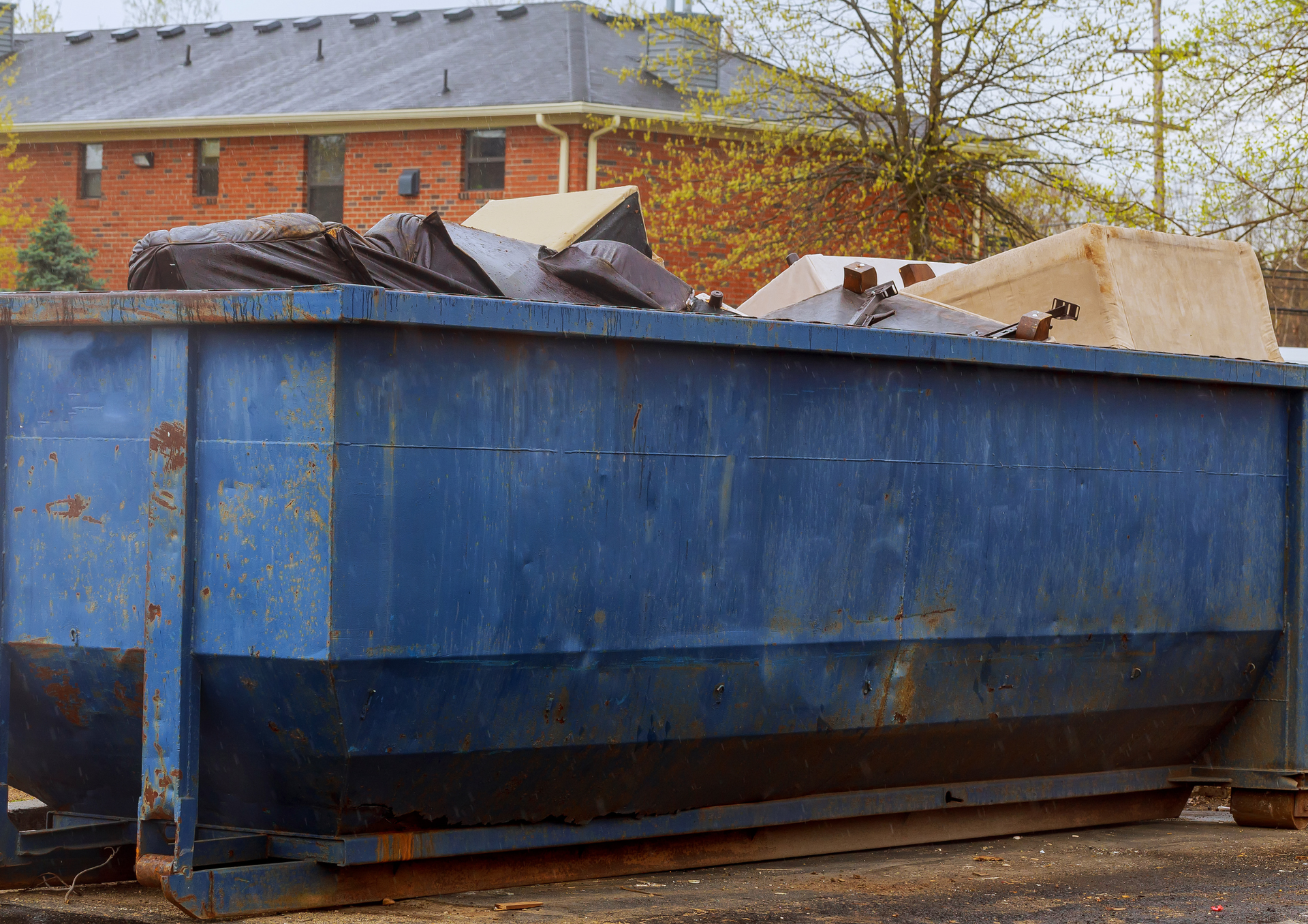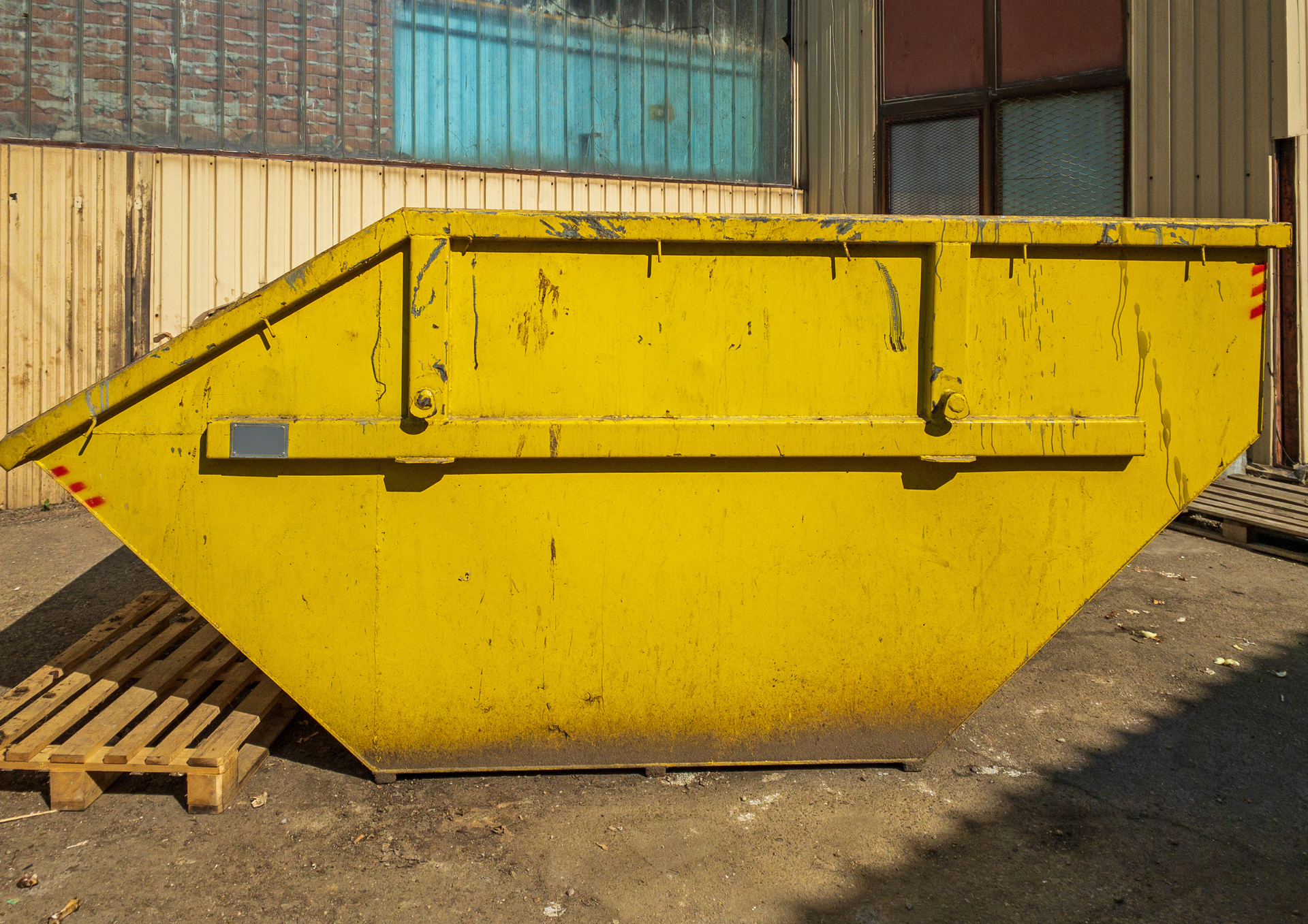

Skip Hire Prices: Choosing the Right Skip for Your Budget Guide
When planning any property project, whether it involves clearing a garden, renovating a home or managing commercial waste, understanding skip hire prices is an important part of making informed decisions. While many people focus on selecting a skip based on size alone, knowing the factors that influence pricing can help you choose the most suitable option and avoid paying for unnecessary capacity.
At Skip Hire Stevenage, we understand that every project has different waste disposal requirements. A homeowner carrying out a kitchen refurbishment will have very different needs from a landlord preparing a rental property or a contractor managing waste from a commercial refurbishment. Selecting a suitable skip allows waste to be removed safely while helping your project continue without unnecessary delays.
Many factors contribute to the overall amount you pay. Skip size, waste type, hire duration, accessibility and local regulations can all influence the final quotation. Rather than simply choosing the largest skip available, it is often more economical to select one that closely matches the amount of waste your project is expected to produce.
This guide explains the main factors that affect skip pricing, helping homeowners, landlords, surveyors, local authorities and businesses choose the most suitable option for their budget while maintaining responsible waste management practices.
Understanding What Influences Skip Hire Prices
The cost of hiring a skip is influenced by several factors beyond its size. Understanding these considerations can help you choose the most suitable option for your project, manage your budget more effectively, and avoid unnecessary expenses. Below are some of the main factors that can affect skip hire prices.
Waste Volume
- Larger projects generally require bigger skips to accommodate higher volumes of waste.
- Small household clearances and DIY projects often only need compact skips.
- Choosing a skip that closely matches the amount of waste can help avoid additional collections or the cost of unused capacity.
Type of Waste
- Different waste materials require different handling and disposal methods.
- Common waste types include household rubbish, construction debris, timber, soil, green waste and mixed materials.
- The materials being disposed of can influence the overall pricing structure.
Location
- Delivery distance and collection logistics may affect the overall service.
- Vehicle access and local road conditions can influence delivery planning.
- Different areas may have varying operational requirements.
Hire Duration
- The duration the skip is required forms part of the overall hire arrangement.
- Short-term projects may require only a few days, while larger renovations may require a longer hiring period.
- Booking an appropriate hire duration helps keep your project running smoothly.
Property Access
- Narrow driveways, restricted entrances and limited parking may require additional planning.
- Ensuring sufficient space for delivery and collection helps avoid delays.
- Easy access allows the skip to be positioned safely and conveniently.
Road Placement Requirements
- Skips placed on public roads may require permission from the local authority before delivery.
- Planning helps ensure all necessary arrangements are in place.
- This can prevent unnecessary delays once your project begins.
Choosing the Right Skip Size
- Selecting the correct skip from the outset is one of the most effective ways to control costs.
- A skip that is too small may require additional collections.
- An oversized skip may result in paying for unused capacity.
Professional Guidance
- Every project produces different types and volumes of waste.
- Seeking expert advice can help identify the most suitable skip for your specific requirements.
- Making an informed decision often leads to a more efficient and cost-effective waste management solution.
Choosing the Right Skip Size for Different Projects
Selecting the right skip size is one of the most important decisions when planning any waste removal project. Choosing a skip that matches the amount and type of waste you expect to generate helps improve efficiency, reduces the likelihood of additional collections, and ensures you get the best value for your project. Below are the key considerations when deciding which skip is most suitable.
Small Projects
- Ideal for minor home improvements and routine clearances.
- Commonly used for bathroom refurbishments, loft clearances, garage decluttering and seasonal garden maintenance.
- Suitable for projects that generate relatively small amounts of waste.
Medium Projects
- Well suited to larger domestic renovations.
- Common uses include kitchen refurbishments, flooring replacements, decorating several rooms and moderate landscaping work.
- Offers additional capacity while remaining practical for most residential properties.
Large Projects
- Designed for projects that produce substantial amounts of waste.
- Commonly used during property refurbishments, office clearances, commercial renovations and construction work.
- Provides sufficient capacity to handle ongoing waste generation across larger projects.
Consider the Type of Waste
- Estimate both the volume and the weight of the waste before choosing a skip.
- Lightweight materials such as cardboard, timber and packaging take up more space but weigh relatively little.
- Heavy materials, including bricks, concrete, and soil, can quickly reach weight limits even if the skip is not full.
Match Capacity to Your Project
- Think about the types of materials your project will produce.
- Selecting a skip that accommodates both the volume and density of the waste helps avoid overloading or underutilising the container.
- Careful planning can improve efficiency throughout the project.
Check Property Access
- Ensure there is enough space for the delivery vehicle to position the skip safely.
- Larger skips require more room for manoeuvring during both delivery and collection.
- Measuring the available space beforehand can help prevent unnecessary delays.
Compare Value, Not Just Size
- Many customers compare skip sizes and prices before making a decision.
- The most suitable option is not always the largest or the least expensive.
- Consider your expected waste volume, project duration and available space to achieve the best overall value.
Seek Professional Advice
- Estimating waste volumes can be challenging, particularly for first-time skip users.
- Professional guidance can help you choose a skip that matches your project's requirements.
- Making an informed decision supports efficient waste management while reducing the risk of unnecessary collections or unused capacity.
Practical Ways to Keep Waste Management Within Your Budget
Planning is one of the simplest ways to make waste removal more efficient. Before booking a skip, it is worth taking time to identify the types of waste your project is likely to generate and estimate how much material will need to be removed. This helps prevent last-minute decisions that could lead to hiring a container that is either too small or too large.
Sorting waste before loading the skip can also improve efficiency. Separating recyclable materials, reusable items and general waste makes loading more organised and helps maximise the available space. Flattening cardboard boxes, breaking down furniture where appropriate and stacking materials carefully can significantly increase the amount that fits inside without exceeding the fill level.
Good project planning can also reduce unnecessary waste. During renovations, measuring materials accurately and ordering sensible quantities often prevents excess building materials from needing disposal. Likewise, carrying out a careful property clearance allows reusable furniture, fixtures, or household items to be donated or repurposed rather than occupying valuable skip space.
Commercial projects benefit from planning waste removal around the various stages of work. Scheduling deliveries and collections to coincide with demolition, refurbishment or landscaping phases helps maintain a tidy working environment while avoiding unnecessary interruptions.
Landlords preparing rental properties often find it beneficial to complete decluttering before larger maintenance work begins. Removing unwanted furniture, broken appliances and accumulated household items first provides contractors with a cleaner workspace and helps keep renovation projects running efficiently.
Surveyors and property professionals also recognise the value of organised waste management when inspecting sites or preparing properties for redevelopment. Clear access throughout a property enables more effective inspections while creating a cleaner overall environment.
Local authorities frequently oversee projects involving parks, public spaces, housing improvements and community facilities. Effective waste management planning supports safe working conditions and helps maintenance programmes progress on schedule.
Many customers begin their search online using phrases such as cheapest skip hire near me, but the lowest advertised figure does not always represent the most suitable overall option. Considering reliability, collection arrangements, appropriate sizing and professional guidance often provides better long-term value than focusing solely on the initial quotation.
It is equally important to understand which materials can be placed inside the skip. Following the provider's guidance helps avoid delays during collection and supports responsible waste processing after removal from the site.
Communication also plays an important role throughout the hire period. Providing accurate information about the project, access arrangements and expected waste volume allows deliveries and collections to be organised more efficiently, reducing the likelihood of unexpected changes once work is underway.
Keeping the surrounding area tidy while loading the skip contributes to a safer environment for everyone involved. Loading materials evenly and avoiding overfilling help ensure the skip can be transported safely during collection.
Although every project differs in size and complexity, careful planning consistently helps customers make the most of their chosen skip while keeping waste management organised from beginning to end.
Making an Informed Decision Before Booking Your Skip
Choosing the right skip involves more than simply comparing prices. Taking the time to assess your project's requirements, available space and waste disposal needs can help you select the most suitable option while keeping your project organised and running efficiently. The following considerations can help you make a well-informed decision before booking.
Assess Your Project Requirements
- Consider the type of work you are undertaking before choosing a skip.
- Different projects generate varying volumes and types of waste.
- Selecting a skip that matches your specific requirements helps improve efficiency throughout the project.
Estimate Your Waste Volume
- Calculate the approximate amount of waste your project is likely to produce.
- Home improvements, rental property clearances, commercial refurbishments, and public works all generate different volumes of waste.
- A realistic estimate helps prevent hiring a skip that is either too small or unnecessarily large.
Look Beyond the Initial Price
- Comparing skip prices can be useful when researching providers.
- Also consider factors such as skip capacity, hire duration, waste type and collection arrangements.
- Evaluating the complete service often provides a better indication of overall value.
Check Available Space
- Ensure there is adequate access for the delivery vehicle.
- Consider where the skip will be positioned for safe and convenient loading.
- Good access can help avoid delays during both delivery and collection.
Plan for Longer Projects
- Large or ongoing projects may require flexible collection or exchange arrangements.
- Keeping in regular contact with your skip provider allows adjustments if your waste volume changes.
- Planning helps maintain an organised worksite throughout the project.
Provide Accurate Project Information
- Sharing detailed information during the booking process helps your provider recommend the most suitable skip.
- Understanding the likely skip hire cost becomes easier when accurate project details are supplied.
- Clear communication reduces the likelihood of selecting an unsuitable skip.
Support Responsible Waste Disposal
- Responsible waste management is important for projects of every size.
- Choosing an experienced provider helps ensure waste is handled appropriately.
- Recyclable materials can be separated where possible to reduce unnecessary landfill waste.
Choose a Solution That Supports Your Project
- The right skip contributes to a cleaner, safer, and better-organised working environment.
- Suitable waste management helps projects progress with fewer interruptions.
- Whether for residential or commercial work, selecting an appropriate skip supports efficient waste disposal from start to finish.
Choosing the right skip is about much more than selecting a container and arranging delivery. Taking time to assess the size of your project, the types of waste being produced, the available space and the expected duration of the hire can make a significant difference to the overall efficiency of your waste management.
Understanding skip hire prices allows customers to make informed decisions based on practical requirements rather than assumptions. With careful planning, appropriate sizing and professional guidance, it becomes much easier to manage waste responsibly while keeping projects running smoothly from start to finish.
Whether you are a homeowner carrying out improvements, a landlord preparing a property, a surveyor overseeing site work, or a business managing commercial waste, selecting the right skip helps create a cleaner, safer, and more organised environment at every stage of your project.
At
Skip Hire Stevenage, we are committed to providing dependable waste management solutions for residential and commercial customers across the local area. We understand that every project is different, which is why we take the time to recommend practical solutions tailored to your specific requirements rather than offering a one-size-fits-all approach.
Our team provides prompt deliveries, reliable collections and helpful advice to make hiring a skip straightforward from beginning to end. Whether you are clearing household waste, renovating a property, maintaining commercial premises or managing a larger development, we aim to provide a professional service that keeps your project organised and running efficiently.
Check out our latest X update on choosing the right skip for your budget and understanding what affects
skip hire prices!
You might also like