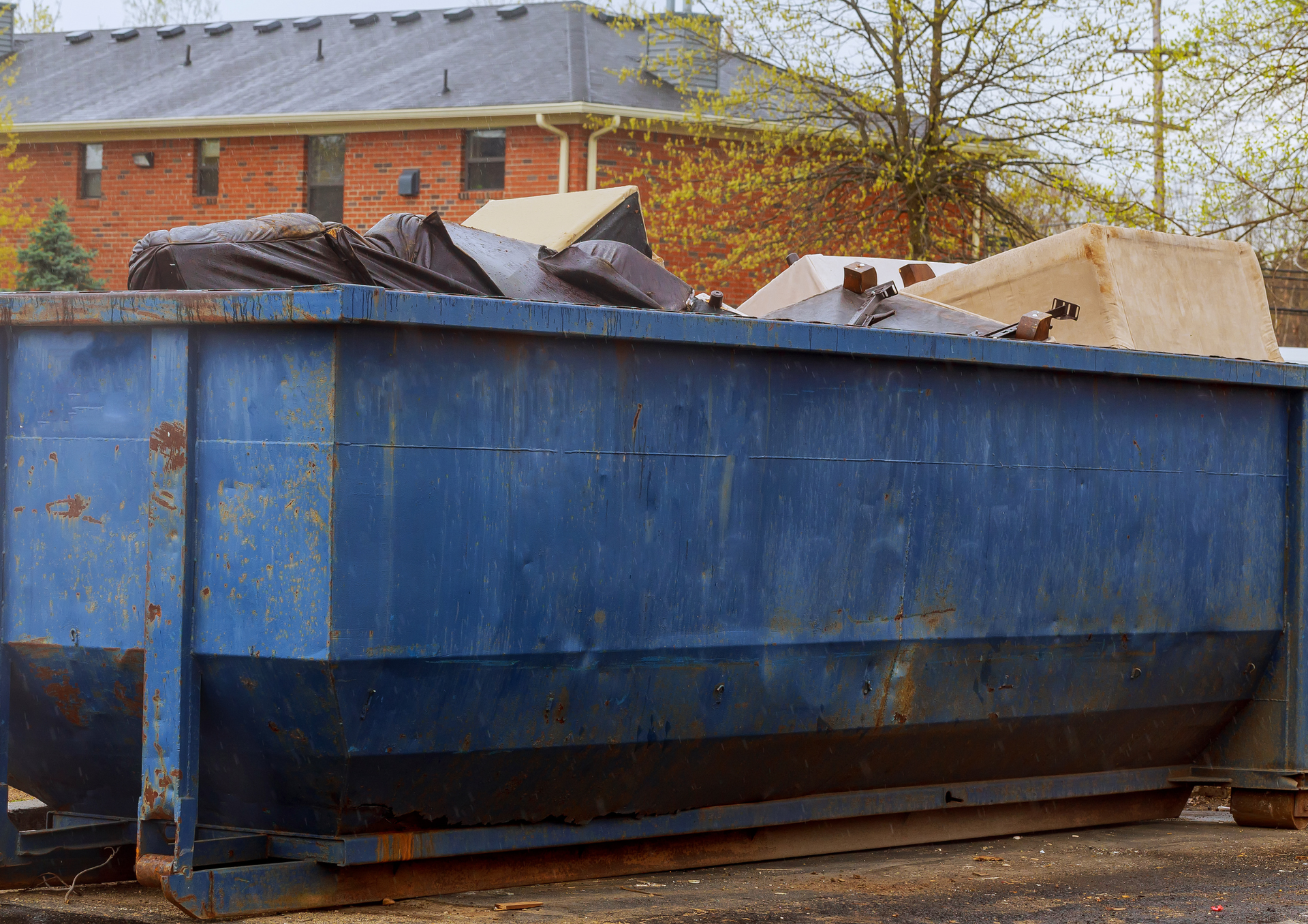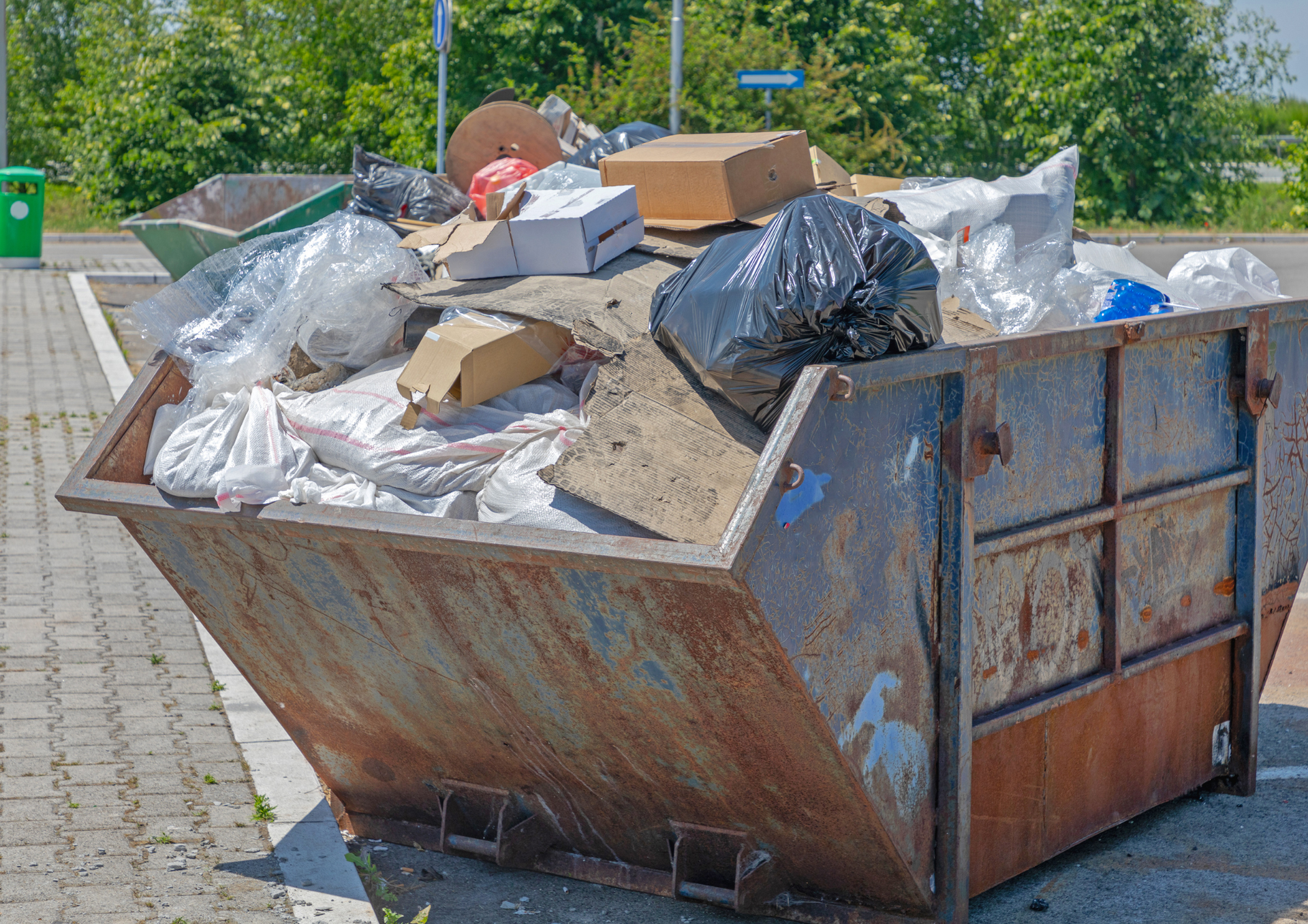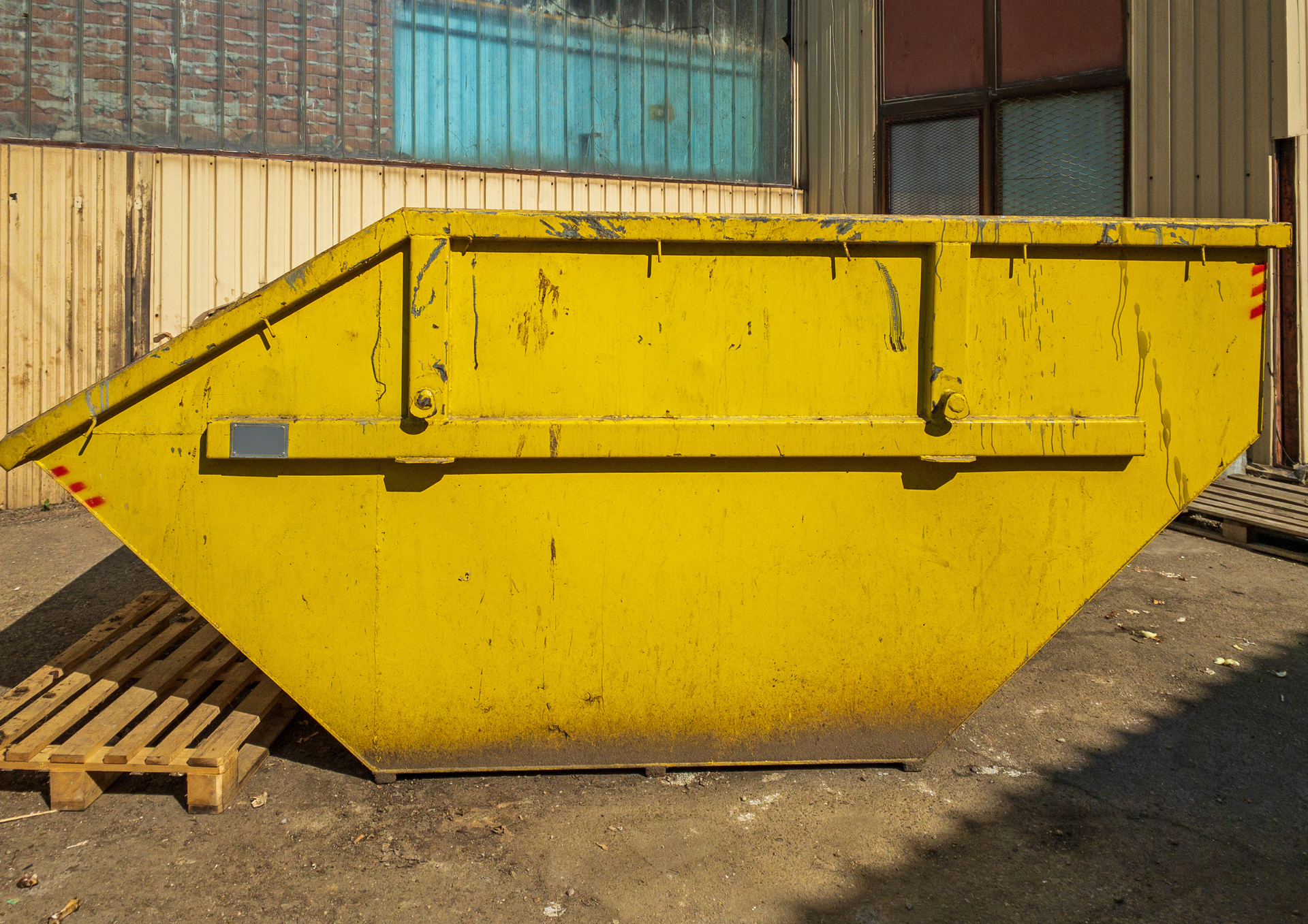

Skips for End of Tenancy Property Clearance and Waste Removal
Moving out of a property often involves far more than simply packing belongings and handing over the keys. Whether managing a residential home, rental property, office space, or commercial premises, end of tenancy clearances can generate significant volumes of unwanted materials.
Furniture, household items, renovation debris, general waste, and accumulated clutter frequently need to be removed before a property is ready for inspection, reoccupation, refurbishment, or sale. In many cases, skips provide a practical solution for containing and managing waste efficiently throughout the clearance process.
For homeowners, landlords, surveyors, and local authorities, efficient waste management plays an important role in keeping projects organised and ensuring properties can be prepared within required timescales. We support property clearance projects by providing practical waste disposal solutions suitable for a wide variety of end of tenancy requirements.
The scale of waste generated during a clearance project can vary considerably. Some properties may require the removal of a small amount of unwanted household waste, while others may contain large volumes of furniture, fixtures, fittings, and general rubbish that have accumulated over many years. Having a structured disposal plan in place helps improve efficiency and reduces unnecessary delays.
Understanding End of Tenancy Clearance Requirements
Every property clearance project presents unique challenges. The amount of waste produced often depends on the size of the property, the duration of occupancy, and the condition in which the premises have been left.
Residential properties commonly contain unwanted furniture, broken appliances, carpets, flooring materials, garden waste, packaging materials, and general household rubbish. Commercial premises may generate office furniture, shelving, storage equipment, documentation waste, display units, and refurbishment materials.
Effective planning begins with assessing the volume and type of waste that requires removal. Understanding disposal requirements early allows property owners and managers to determine whether skips are appropriate for the project and select suitable waste management solutions that support the smooth progression of the clearance process.
In many situations, waste removal forms part of a wider programme of work that may include cleaning, maintenance, repairs, decorating, or renovation. Coordinating these activities helps minimise disruption and ensures contractors can work safely and efficiently throughout the project.
Planning Waste Removal Before Clearance Work Begins
One of the most effective ways to manage an end of tenancy project is to establish a clear waste disposal strategy before work starts. This helps prevent materials from accumulating throughout the property and creating obstacles for contractors, cleaners, or maintenance teams.
A thorough inspection can identify the categories of waste present and determine the most suitable disposal approach. Common categories may include:
- Furniture and bulky household items
- General domestic waste
- Packaging materials
- Flooring and carpeting
- Garden and landscaping waste
- Renovation debris
- Timber and wood products
- Metal items
- Plastic materials
- Mixed construction waste
Separating materials where possible often improves efficiency during the clearance process. It can also help reduce handling requirements and support more organised site management.
For larger projects, creating designated waste collection areas allows materials to be gathered safely before final disposal. This approach helps maintain accessibility throughout the property and supports a safer working environment for everyone involved.
Selecting Suitable Skip Sizes for Property Clearance Projects
Selecting the appropriate skip size is an important step in planning any end of tenancy clearance project. The amount and type of waste generated can vary considerably depending on the size of the property and the nature of the materials being removed.
Assessing requirements in advance helps ensure waste is managed efficiently throughout the project. Many property owners choose to order a skip once they have evaluated their clearance requirements, helping to ensure sufficient capacity is available for the waste being generated.
Property Size Considerations
- Flats and Smaller Properties
- Typically generate lower volumes of household waste.
- May include unwanted furniture, appliances, and general belongings.
- Often require more compact waste disposal solutions.
- Medium-Sized Residential Properties
- Commonly produce larger quantities of furniture, fittings, and household materials.
- Clearance projects may involve multiple rooms and outdoor areas.
- Waste volumes can increase significantly during refurbishment work.
- Large Residential and Commercial Premises
- Often generate substantial quantities of waste.
- May include furniture, office equipment, fixtures, and renovation debris.
- Usually require greater disposal capacity to maintain site organisation.
Material Type Considerations
- Lightweight Materials
- Cardboard, packaging, plastics, and household items can fill available space quickly.
- Although lighter in weight, they often occupy significant volume.
- Heavy Materials
- Timber, bricks, soil, concrete, and rubble can add considerable weight.
- These materials may require careful planning to ensure suitable waste containment.
Project Efficiency Considerations
- Avoiding Undersized Containers
- Containers that are too small may lead to additional collections and unnecessary delays.
- Avoiding Oversized Containers
- Excessively large containers may not provide the most efficient solution for the project.
- Accurate Assessment
- Evaluating waste volumes before work begins helps ensure the selected ones align with project requirements and support a smooth, organised clearance process.
Managing Furniture and Bulky Item Removal
Furniture often represents one of the largest components of end of tenancy clearances. Beds, wardrobes, sofas, tables, desks, cabinets, shelving units, and other bulky items can occupy considerable space and present logistical challenges during removal.
Using skips can help keep these larger waste items contained in one location, improving organisation and making the overall clearance process more efficient. Planning furniture disposal in advance can significantly improve project efficiency.
Identifying access routes, stairways, lifts, parking restrictions, and loading areas helps minimise delays during removal activities. Older furniture may also require careful handling due to deterioration or structural instability. Organised removal procedures help maintain safety while preventing unnecessary damage to the property.
Large clearance projects frequently involve multiple rooms being emptied simultaneously. Maintaining clear working areas allows removal teams to operate efficiently and helps ensure waste materials are collected in a structured manner. Property managers responsible for multiple sites often benefit from consistent waste management procedures that can be applied across different locations and project types.
Supporting Renovation and Refurbishment Following Tenancy Changes
Many properties undergo maintenance or refurbishment after occupants move out. Decorating, flooring replacement, kitchen upgrades, bathroom improvements, and general repairs frequently generate additional waste that requires careful management.
Construction and refurbishment materials may include:
- Plasterboard
- Timber offcuts
- Packaging waste
- Tiles
- Flooring materials
- Cabinets and fixtures
- Insulation products
- Metal components
Combining clearance and refurbishment waste management within a single project plan often improves organisation and reduces interruptions to scheduled work. Contractors benefit from having designated disposal facilities available throughout the project.
This allows waste materials to be removed regularly rather than accumulating on site. Maintaining a tidy working environment also supports productivity by reducing obstructions and improving accessibility around the property.
The Importance of Site Organisation During Clearance Work
Organisation plays a significant role in the success of any property clearance project. Uncontrolled waste accumulation can create hazards, restrict access, and slow overall progress.
Establishing clear disposal procedures from the outset helps ensure materials are handled consistently throughout the project. This may include identifying collection points, allocating storage areas, and scheduling waste removal activities at appropriate stages.
For larger properties, room-by-room clearance programmes often provide the most efficient approach. Completing one area before moving to the next helps maintain order and allows progress to be monitored more effectively.
Surveyors and property professionals frequently appreciate organised clearance operations because they enable inspections and assessments to be conducted without unnecessary obstacles. A well-managed site can also help identify maintenance issues more easily once clutter and unwanted materials have been removed.
Waste Considerations for Landlords and Property Managers
Effective waste management is particularly important for landlords and property managers working within tight tenancy changeover schedules. A structured approach to property clearance can help minimise delays, improve organisation, and support the efficient preparation of properties for future occupants.
Managing Unexpected Waste Volumes
- Properties occupied for long periods often contain more waste than initially anticipated.
- Unwanted furniture, personal belongings, damaged fixtures, and general household rubbish can significantly increase disposal requirements.
- Early assessment helps identify potential clearance challenges before work begins.
Coordinating Multiple Property Tasks
- Waste removal can be planned alongside cleaning, repairs, decorating, and maintenance work.
- Combining these activities within a single schedule often improves project efficiency.
- Coordinated planning helps reduce disruption and keeps preparation work progressing smoothly.
Supporting Property Portfolio Management
- Property managers responsible for multiple buildings can benefit from consistent clearance procedures.
- Standardised waste management practices help create uniform processes across different sites.
- Consistency can improve operational efficiency and simplify project oversight.
Preparing Properties for New Occupants
- Efficient clearance procedures help reduce turnaround times between tenancies.
- Well-managed waste removal supports a cleaner, more accessible property environment.
- Maintaining effective waste management practices helps ensure properties are presented in a suitable condition for future occupancy.
Environmental Considerations in Property Clearance
Responsible waste management remains an important aspect of modern property maintenance. Many materials generated during end of tenancy projects can potentially be separated and processed appropriately.
Items such as metal, timber, cardboard, plastics, and certain construction materials may be handled through dedicated waste streams where suitable facilities are available. Reducing unnecessary waste and encouraging responsible disposal practices can contribute to more sustainable property management strategies over the long term.
Property owners increasingly recognise the value of planning waste removal carefully as part of broader environmental objectives. This approach not only supports project efficiency but also promotes more responsible handling of materials throughout the clearance process.
Skip Hire Stevenage is committed to providing reliable waste management solutions that support property clearance projects of all sizes. We understand the challenges involved in preparing residential and commercial properties for new occupants, refurbishment, sale, or redevelopment.
Our focus is on delivering professional service, clear communication, and practical disposal options that help projects run efficiently from start to finish. Whether you need to skip online for convenience or require guidance selecting the most suitable waste solution, our team aims to make the process straightforward and hassle-free.
From small residential clearances to larger commercial projects, we work with customers seeking dependable waste management support. We understand that every property is different, and we strive to provide solutions that help keep projects organised, efficient, and moving forward successfully.
Many customers appreciate the flexibility that modern skip's services provide when managing clearance schedules, helping ensure waste can be removed efficiently as project requirements evolve.
Latest Post on X:
Skip solutions for end of tenancy waste and unwanted items.
You might also like